
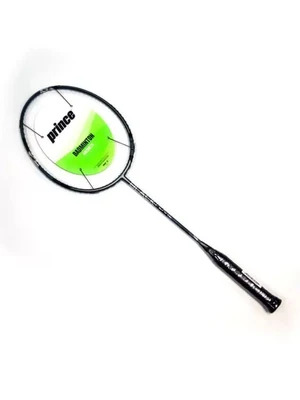
Getting started with badminton does not require a professional-level equipment collection. A suitable racket, the right shuttlecocks, comfortable court shoes, and a few practical accessories can provide everything you need for enjoyable games and regular practice.
However, the equipment you choose can make a noticeable difference to your experience. A racket that feels uncomfortable, shoes that do not provide suitable court support, or shuttlecocks that behave differently from what you expect can interrupt your rhythm and make it harder to develop your skills.
Whether you play socially with friends, train at a badminton club, or organize games at a school or sports facility in Dubai, Abu Dhabi, Sharjah, or elsewhere in the UAE, it helps to understand what belongs in a complete badminton setup.
This guide takes you beyond the racket and looks at the equipment that supports different stages of the game, from your first practice session to regular competitive play.
Start With the Essential Badminton Equipment
If you are putting together your first badminton kit, start with the equipment you will use every time you play.
A basic setup includes:
- Badminton racket
- Shuttlecocks
- Indoor court shoes
- Comfortable sports clothing
- Water bottle
- Sports bag
You can add accessories as your playing frequency and requirements increase.
For beginners, it is better to purchase equipment that fits properly than to buy a large collection of products that may not be useful.
Choose a Racket That Matches Your Game
Your racket is one of the most personal parts of your badminton equipment.
Different models vary in weight, balance, shaft flexibility, grip size, and frame construction.
The best choice depends on how you play and what you are trying to improve.
For Beginners
A beginner should prioritize manageable weight, comfortable handling, and a grip that feels secure.
You do not need a highly specialized racket to learn basic strokes.
Focus on developing:
- Forehand and backhand control
- Consistent contact
- Basic serving
- Court movement
- Defensive returns
For Intermediate Players
As your technique develops, you may start to notice preferences around balance and shaft flexibility.
Some players prefer faster racket handling for doubles, while others enjoy a different balance for attacking shots.
Consider what feels limiting about your current racket before upgrading.
For Competitive Players
Experienced players may want more specific combinations of weight, balance, shaft stiffness, and string tension.
If you compete regularly, consistency across your equipment can be important.
You can compare different badminton rackets according to your playing style and experience.
Singles and Doubles Require Different Equipment Priorities
The basic racket requirements remain similar, but the demands of singles and doubles can influence your preferences.
Singles Players
Singles involves covering the full court independently.
Players need to move between the front and back of the court while maintaining control over clears, drops, smashes, and defensive returns.
A racket that feels comfortable across different shot types can be useful.
Doubles Players
Doubles often involve faster exchanges, shorter reaction times, and more frequent changes in racket direction.
Some players prefer a more maneuverable racket for drives, blocks, and net interceptions.
If you play both formats, look for a model that feels comfortable in different situations rather than choosing equipment for only one type of match.
Shuttlecocks: Feather or Synthetic?
Shuttlecocks are another essential part of your kit.
They are generally available in feather and synthetic designs.
Feather Shuttlecocks
Feather shuttlecocks are commonly used in organized and competitive badminton.
They have a different flight and feel compared to synthetic versions.
Their performance can be influenced by handling, storage, and playing conditions.
They may require more careful maintenance and replacement.
Synthetic Shuttlecocks
Synthetic shuttlecocks are often used for recreational play and practice.
They can be a practical choice for people who want a durable option for regular casual games.
When comparing shuttlecocks, check their intended use and the manufacturer’s specifications.
The right choice depends on your playing environment, level, and budget.
Why Shuttlecock Speed Matters
Shuttlecock speed influences how far the shuttle travels after being hit.
A shuttle that is too fast or too slow for the conditions can affect the rhythm of a game.
Temperature, altitude, and venue conditions can influence how a shuttle behaves.
If you play at different indoor facilities across the UAE, you may notice variations between sessions.
For organized play, follow the venue or competition’s recommended shuttle specifications.
For casual sessions, choose a shuttle that produces a comfortable and predictable flight.
Court Shoes Deserve More Attention Than You Think
Badminton involves constant movement.
Players accelerate, stop, lunge, jump, and change direction repeatedly.
Suitable footwear is therefore an important part of your equipment.
Look for shoes designed for indoor court sports.
Consider:
- Secure fit
- Lateral support
- Grip suitable for indoor flooring
- Cushioning
- Flexibility
- Comfortable toe space
- Stable heel support
Running shoes are designed primarily for forward movement and may not provide the same support for rapid lateral changes.
Also check the court’s footwear requirements. Some facilities require non-marking soles to protect the playing surface.
Socks and Clothing for Comfortable Movement
Your clothing should allow you to move freely throughout a match.
Choose Lightweight Sportswear that does not restrict lunges, overhead movements, or quick footwork.
Breathable materials can be particularly useful during longer sessions.
Socks also matter.
Look for a comfortable fit that reduces excessive movement inside your shoes.
If you play regularly, keep a spare pair of socks in your sports bag so you can change after a session.
Grips and Overgrips
A secure handle can help you maintain racket control.
The original racket grip may suit your hand, but some players prefer an overgrip to adjust thickness and surface feel.
Overgrips can provide:
- A fresher contact surface
- Additional grip comfort
- Different levels of surface texture
- Easier replacement when worn
If the handle becomes slippery or the grip starts peeling, replace it.
Do not wait until the racket becomes difficult to hold comfortably.
Badminton Bags: Keep Your Equipment Organized
A dedicated sports bag makes it easier to carry your equipment between home, work, school, and the badminton court.
Depending on your needs, you may want space for:
- One or more rackets
- Shuttlecock tubes
- Shoes
- Clothing
- Towels
- Water bottles
- Small accessories
Some racket bags provide separate compartments, while general sports bags may offer more flexible storage.
If you regularly carry shoes and clothing, a separate compartment can help keep used items away from clean equipment.
Choose a size that suits your usual kit rather than buying a bag that is unnecessarily large.
Protective Accessories for Your Racket
Badminton rackets are lightweight and can be damaged by careless handling.
A protective cover or racket compartment can help reduce contact with other equipment during transport.
Other useful accessories include:
- Frame protection, where compatible
- Replacement grips
- Overgrips
- Racket covers
- Small equipment pouches
Avoid placing heavy objects on top of your racket inside a bag.
Also inspect the frame after accidental contact with another racket or hard surface.
Warm-Up and Practice Accessories
If you play regularly, a few additional items can make your practice sessions more structured.
Useful options include:
- Skipping rope
- Resistance bands
- Training cones
- Agility markers
- Exercise mat
- Stopwatch or training timer
These items can support warm-ups, footwork drills, and general conditioning.
For example, cones can be used to create movement patterns that imitate reaching the front corners and recovering towards the center of the court.
Resistance Bands may be useful for suitable warm-up and strengthening exercises.
Keep training drills appropriate to your ability and avoid using equipment in ways that interfere with other players.
Setting Up a Badminton Practice Space at Home
Not everyone has access to a court every day.
You can still practice certain aspects of badminton away from the court, provided you have enough room and a suitable environment.
A small home practice area might support:
- Basic footwork patterns
- Balance exercises
- General conditioning
- Shoulder mobility
- Grip practice
- Controlled movement drills
Avoid swinging a racket near furniture, windows, or other people.
Full badminton strokes require considerably more clearance than simple mobility exercises.
If you want to practice actual shuttle shots, use an appropriate sports facility rather than improvising in a restricted indoor space.
Badminton Equipment for Schools and Clubs
Schools, academies, and sports clubs may need a different approach to purchasing equipment.
Instead of selecting one premium racket for every player, consider the range of users.
A shared facility may require:
- Beginner-friendly rackets
- Intermediate rackets
- Multiple shuttlecock tubes
- Replacement grips
- Racket storage
- Court shoes for individual players
- Training accessories
For group sessions, having spare rackets and shuttlecocks can prevent practice from stopping when equipment becomes damaged or unavailable.
Consider durability, ease of storage, and replacement availability when purchasing for multiple users.
Organizing a Family Badminton Kit
If several family members play, it can be useful to keep equipment organized in one place.
Different players may need different racket weights, grip sizes, and shoe sizes.
A family setup could include:
- Rackets suitable for each player
- Recreational shuttlecocks
- Spare grips
- A shared sports bag
- Water bottles
- Towels
- Court shoes for each participant
Keep rackets stored separately enough to avoid unnecessary frame contact.
It is also worth checking that children use rackets appropriate for their size and ability.
UAE Conditions: Transport and Equipment Care
Badminton is commonly played indoors, but your equipment may spend time traveling in a car or being stored between sessions.
The UAE’s hot weather makes careful storage important.
Follow these practical habits:
- Avoid leaving rackets inside hot vehicles.
- Keep shuttlecocks in their protective tubes.
- Store rackets away from direct sunlight.
- Allow shoes and clothing to dry after playing.
- Clean grips when necessary.
- Keep metal accessories dry.
- Check strings and frames regularly.
Excessive heat and poor storage conditions may affect some materials over time.
Follow manufacturer care instructions for rackets, shuttlecocks, shoes, and bags.
How Often Should You Replace Badminton Equipment?
Different items have different replacement requirements.
Rackets
Replace a racket if its frame or shaft is damaged, or if the equipment no longer suits your playing requirements.
Strings
Replace strings when they break, become damaged, or lose the playing feel you want.
Grips
Change grips when they become worn, slippery, or uncomfortable.
Shuttlecocks
Replace shuttlecocks when their flight becomes inconsistent or the feathers or skirt become damaged.
Shoes
Inspect the soles, cushioning, and support. Replace footwear when the grip or structural condition is no longer suitable.
Regular inspection is more useful than following one fixed replacement schedule for each item.
Common Badminton Equipment Buying Mistakes
Buying Only a Racket
A racket is essential, but suitable footwear and shuttlecocks are also important for a complete setup.
Choosing Professional Equipment Too Early
Advanced equipment may not be necessary for beginners or occasional players.
Using Unsuitable Shoes
Running shoes may not provide the support required for badminton’s lateral movements.
Ignoring Shuttlecock Type
Feather and synthetic shuttlecocks offer different playing experiences.
Carrying Equipment Without Protection
Rackets can be damaged when placed loosely alongside heavier items.
Forgetting Replacement Accessories
Grips, strings, and shuttlecocks need attention as they wear out.
What to Check Before Buying Badminton Equipment Online in the UAE
When comparing Badminton Equipment , consider the complete playing setup rather than focusing on one product.
Review:
- Racket weight and balance
- Shaft flexibility
- Grip size
- Frame construction
- String specifications
- Shuttlecock type
- Shuttlecock speed
- Court shoe design
- Non-marking sole suitability
- Bag capacity
- Storage compartments
- Replacement accessories
- Warranty and delivery information
If you are purchasing for a club or school, also consider quantities and the range of player abilities.
Frequently Asked Questions
What equipment do beginners need for badminton?
A suitable racket, shuttlecocks, indoor court shoes, comfortable sportswear, and a water bottle are enough to get started.
Are feather shuttlecocks better than synthetic ones?
They provide different playing experiences. Feather shuttlecocks are commonly used in organized play, while synthetic versions can be practical for recreational sessions.
Can I use running shoes for badminton?
Running shoes are not designed specifically for the lateral movement and quick direction changes involved in badminton. Indoor court shoes are generally a more suitable option.
Do I need a separate badminton bag?
It is not essential, but a racket bag or suitable sports bag can protect equipment and keep your kit organized.
How often should I replace my badminton grip?
Replace it when it becomes slippery, worn, or uncomfortable. Playing frequency and storage conditions affect how long it lasts.
How many rackets should I own?
One racket is enough for casual play. Regular players may prefer a second racket as a backup.
How should I store badminton equipment in the UAE?
Keep rackets away from direct sunlight and excessive heat, store shuttlecocks in their tubes, and allow shoes and clothing to dry after use.
What accessories help with badminton practice?
Training cones, resistance bands, skipping ropes, and suitable exercise mats can support general conditioning and footwork practice.
Final Thoughts
A good badminton setup is about more than choosing a racket.
Your footwear, shuttlecocks, grip, storage, and practice accessories all contribute to a more comfortable playing experience.
Start with the Essentials and add equipment as your routine develops. Beginners should focus on suitable, manageable gear, while regular and competitive players can refine their setup around specific performance preferences.
For badminton players across the UAE, proper storage is particularly important when equipment travels in hot weather.
Build a kit that suits the way you play, keep it organized, and make sure every item has a practical purpose.
Explore Athletix for badminton and other sports equipment to support your practice sessions and match days.